




Insurance Coverage for Areola Tattooing
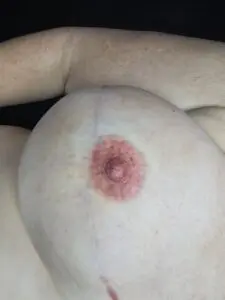
breast reconstruction post mastectomy photorealistic areola tattoo
For many breast reconstruction patients, the last step is not the surgery. It is the moment the chest begins to look whole again. That is why questions about insurance coverage areola tattoo services are so common. A photorealistic areola tattoo is often part of emotional recovery, body confidence, and closure after mastectomy or reconstruction, yet coverage can feel confusing when you are already carrying enough.
When insurance coverage for areola tattoo may apply
Areola tattooing is not always treated the same way by insurance companies. In some cases, it is recognized as part of breast reconstruction. In others, it is processed as a cosmetic service unless the documentation clearly shows that it is restorative and medically connected to post-mastectomy care.
That distinction matters. If a patient had breast cancer treatment, mastectomy, or reconstructive surgery, areola micropigmentation may be considered part of the reconstruction process rather than elective beauty work. Many patients are surprised to learn that the issue is often not whether the service has value. The issue is how the claim is coded, documented, and submitted.
Federal protections can also play a role. Under the Women’s Health and Cancer Rights Act, many group health plans that cover mastectomy-related benefits must also cover certain stages of breast reconstruction. Depending on the plan, that may include nipple-areola reconstruction or tattooing when it is presented as a reconstructive need. Still, every policy handles details differently, so verification matters.
Why claims get approved in some cases and denied in others
Two patients can receive the same service and have very different insurance outcomes. That usually comes down to paperwork, policy language, and provider communication.
Insurance companies often look for proof that the areola tattoo is restorative, not cosmetic. They may want records showing a history of mastectomy, breast reconstruction, nipple reconstruction, or related surgical treatment. They may also require a physician referral, operative notes, diagnosis codes, or a letter of medical necessity.
Denials also happen when a service is submitted too vaguely. If the claim simply reads like a tattoo appointment, that can create problems. If it is documented as paramedical tattooing related to breast reconstruction, the context changes. This is one reason working with a studio that understands medical-adjacent documentation can make the process feel much less overwhelming.
Another factor is timing. Some plans want preauthorization before the appointment. Others may allow reimbursement after treatment with an itemized receipt and supporting documents. Missing that step can affect the outcome even when the service itself should have been considered.
What to ask your insurance company before booking
If you are trying to understand insurance coverage areola tattoo options, start with clear, direct questions. Ask whether nipple-areola tattooing after mastectomy or reconstruction is a covered benefit under your plan. Use the words reconstruction, restorative, and post-mastectomy care when you speak with them.
It is also worth asking whether preauthorization is required, whether an in-network provider is necessary, and whether reimbursement is possible for an out-of-network specialist. Some clients choose a highly trained paramedical tattoo artist because of the artistic skill required for realistic color matching and dimension. In those cases, out-of-network reimbursement may still be worth pursuing if the plan allows it.
Ask for specifics in writing whenever possible. A phone conversation can be helpful, but written confirmation gives you something concrete to reference if questions come up later. You should also ask what documents they need. That can include a prescription, referral, diagnosis code, procedural code, itemized invoice, or letter from your surgeon.
The documents that often make the biggest difference
A strong claim usually tells a clear story. It connects the tattoo service to medically necessary reconstruction and shows why the treatment belongs in that continuum of care.
In many cases, the most useful documents include surgical records, a note from a plastic surgeon or treating physician, and a letter explaining that areola tattooing is part of the patient’s restorative process after breast surgery. An itemized invoice is also important. It should describe the service accurately and professionally, not casually.
Photos may sometimes help, especially if a plan asks for additional proof of reconstructive need, though requirements vary. If your provider offers support with receipts, procedure descriptions, or claim-friendly paperwork, that can save time and reduce stress. It is idea to find a areola tattoo artist who accepts insurance.
This is also where experience matters. A specialist who regularly serves reconstruction clients understands that beautiful results are only one part of the process. Clear communication, medically respectful documentation, and compassion for what the client has been through are equally important.
Why artistic skill still matters, even with insurance
Coverage is only one piece of the decision. An areola tattoo is a highly specialized restorative service that blends medical awareness with fine-art precision. Even if insurance may help, choosing a provider based on reimbursement alone can lead to disappointment.
Photorealistic areola tattooing depends on color theory, symmetry, skin tone adaptation, scar considerations, and depth control. Reconstructed skin may respond differently than untreated skin. Scar tissue can hold pigment in unpredictable ways. A provider needs both technical training and aesthetic judgment to create a natural result that feels true to you.
That is why many breast reconstruction patients look for a studio with surgeon referrals, advanced paramedical training, and a strong track record in restorative tattooing. The emotional weight of this service is real. Patients want to feel safe, respected, and understood, not rushed through a standard cosmetic appointment.
If your plan does not cover areola tattooing
A denial is not always the end of the road. Sometimes it reflects missing documentation, a coding issue, or the need for an appeal. If your plan says no at first, ask why in writing. Then review whether more complete records or a stronger physician statement could support reconsideration.
You can also ask about reimbursement through out-of-network benefits, health savings accounts, or flexible spending accounts if applicable. Some clients pay privately and submit afterward. Others decide that the value of choosing the right specialist outweighs partial or absent coverage. There is no single right path here. It depends on your policy, your budget, and how much administrative energy you want to spend.
What matters most is remembering that restorative areola tattooing is not frivolous. For many women, it is a meaningful part of feeling at home in their body again. Even when insurance language feels cold or limited, the service itself can still be deeply valid and worth pursuing.
Choosing a provider who supports the insurance process
If you are comparing studios, ask not only about healed results but also about their experience with reconstruction clients and insurance paperwork. A supportive provider should be able to explain the process clearly, provide professional documentation, and coordinate respectfully with your medical team when needed.
At a studio like Microblading by Autumn, that support matters because clients are often navigating much more than a beauty appointment. They may be stepping into a restorative milestone after months or years of surgeries, healing, and adjustment. The right environment feels skilled, calm, and genuinely client-centered.
You deserve transparency here. Ask what records the studio can provide, whether they have worked with insurance submissions before, and what realistic expectations look like for both pigment results and reimbursement. Honest guidance is far more helpful than promises.
The real goal behind insurance coverage areola tattoo questions
Most women asking about coverage are not just trying to save money. They are trying to understand whether this final step is recognized for what it truly is. A photorealistic areola tattoo can be the detail that transforms reconstruction into restoration.
If you are considering treatment, start with your insurance plan, gather the right documentation, and choose a provider with both restorative experience and refined artistic skill. The paperwork matters, but so does the person performing the work. When both pieces come together, the result can feel less like a procedure and more like a return to yourself.
You have already been through enough. The next step should feel informed, supported, and worthy of the healing it represents.